
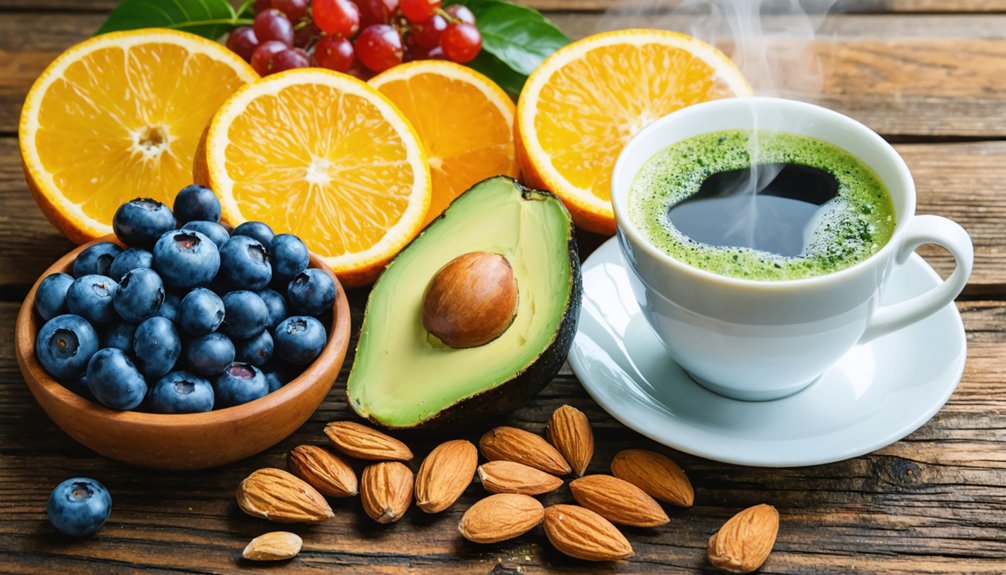

To enhance focus and energy, individuals should incorporate a variety of nutrient-rich foods into their diets. Omega-3 fatty acids from oily fish support brain health and mood regulation, while antioxidants from berries and leafy greens combat cognitive decline. Whole grains provide essential nutrients for sustained energy, and nuts promote memory improvement. Together, these foods create a powerful combination for ideal cognitive function. Exploring more about the role of these ingredients can further enhance dietary choices for better mental clarity.
Highlights
- Incorporate omega-3-rich foods like oily fish, which support brain health and enhance cognitive function for better focus and energy.
- Consume antioxidant-rich fruits, such as berries and citrus, to improve concentration and protect brain cells from cognitive decline.
- Add leafy greens to your diet, as daily servings can slow cognitive decline and bolster mental performance.
- Include whole grains for steady energy release, which helps maintain focus without causing rapid blood sugar spikes.
- Snack on nuts, particularly walnuts and pistachios, to enhance memory and promote cognitive processing.
Omega-3 Rich Foods for Brain Health
Omega-3 rich foods play an essential role in enhancing brain health and cognitive function. Research indicates that increased omega-3 intake, particularly DHA, is associated with significant brain benefits such as improved recall and enhanced abstract reasoning abilities. Studies have shown that omega-3 fatty acids are crucial for proper brain growth and maintenance. Additionally, a higher omega-3 index has been linked to larger hippocampal volumes, which are indispensable for learning and memory. Individuals with low episodic memory exhibited notable improvements after omega-3 consumption, highlighting its effectiveness in reinforcing cognitive function. Moreover, higher omega-3 levels correlate with larger hippocampal volumes, indispensable for learning and memory. For those with low baseline DHA levels, omega-3 supplementation can lead to marked improvements in executive function. Incorporating omega-3 foods, like fatty fish and walnuts, into one’s diet can promote better mental processing and overall cognitive well-being, nurturing a sense of connection and community around shared health goals. Furthermore, regular inclusion of omega-3s in one’s diet is essential for maximizing these cognitive benefits. Research suggests that fish oil supplements may significantly improve symptoms in individuals with mild cognitive impairment, further emphasizing the importance of omega-3s in brain health. Studies indicate that long-chain omega-3 fatty acids may offer protective effects against cognitive decline, reinforcing their vital role in maintaining cognitive health over time.
Antioxidant Powerhouses to Enhance Concentration
Building on the understanding of how specific nutrients can reinforce cognitive function, antioxidants emerge as powerful allies in enhancing concentration and overall mental performance. Rich sources of vitamin C, such as acerola and guavas, along with vitamin E from nuts, provide significant cognitive enhancers by reducing cognitive decline risk. Resveratrol, found in muscadine grapes, and lutein from leafy greens like spinach, further contribute to improved cognitive function and memory. Research indicates that a moderate intake of these antioxidants can lead to noticeable cognitive benefits, with specific diets like the Mediterranean diet enhancing performance even further. Furthermore, berry-based supplements have been shown to improve cognitive performances and brain perfusion parameters. Fundamentally, these antioxidant benefits collectively support brain health, making them essential components of a diet aimed at achieving sharper focus and sustained energy levels. Moreover, studies have shown that plant foods rich in antioxidants may help delay the onset of cognitive impairment, highlighting the importance of incorporating these foods into our diet. Increased intake of dietary antioxidants may further contribute to better cognitive outcomes and overall brain health. Additionally, antioxidants in the diet are posited as protective factors against cognitive function impairment. Notably, there is a solid trend suggesting that antioxidants may help in hampering cognitive decline in older individuals, further emphasizing their importance for all ages.
Nutrient-Dense Leafy Greens for Cognitive Support
Leafy greens are emerging as crucial players in the quest for enhanced cognitive support. Research indicates that daily consumption of vegetables like kale, spinach, and collard greens can substantially slow cognitive decline, with high consumers showing brain function equivalent to being 11 years younger. Additionally, eating one serving of green leafy vegetables a day may help promote brain health and further bolster cognitive function. Studies have shown that those who adhere closely to the MIND diet could reduce their risk of Alzheimer’s disease by as much as 53 percent. This aligns with studies indicating that green leafy vegetables can help slow decline in cognitive abilities in older adults. Furthermore, consistent stress management practices can also play an essential role in supporting cognitive health. Research suggests that incorporating a combination of nutrient-rich foods is the best strategy for brain health.
The benefits of incorporating these nutrient-dense foods, ideally through creative leafy recipes or delicious green smoothies, extend beyond just age-related effects. They are associated with reduced beta-amyloid accumulation, supporting brain health through essential vitamins like K, lutein, and folate.
To maximize advantages, consistent daily consumption is key, with seven or more servings weekly demonstrating the most notable cognitive gains. Embracing these greens offers a simple yet impactful strategy for nourishing both body and mind.
Strategic Carbohydrates for Sustained Energy
Carbohydrates serve as a primary fuel source for the body, playing a pivotal role in maintaining energy levels throughout the day. Strategic consumption of complex carbohydrates—found in whole grains, legumes, and starchy vegetables—ensures steady energy release and prevents the rapid blood sugar spikes associated with simple sugars. To maximize endurance, individuals engaged in prolonged activities should adhere to carbohydrate timing, consuming 30-60 grams hourly for efforts exceeding 70 minutes. Glycogen stores are crucial for sustaining prolonged physical activity, as they help delay the onset of fatigue. Furthermore, carbohydrate intake should be aligned with training and competition to optimize performance and metabolic adaptations. Additionally, pairing carbohydrates with protein and healthy fats can enhance energy stability. A proactive approach to carbohydrate selection not only sustains energy but also nurtures long-term health benefits, making it essential for those aspiring for peak performance and well-being in everyday life. Incorporating complex carbohydrates into meals can significantly support overall health and energy. One important factor is that balanced macronutrients are necessary to stay healthy, ensuring the body receives adequate fuel from various food sources. Including a variety of whole grains in the diet can further improve nutrient intake and overall wellness.
Brain-Boosting Nuts for Memory Improvement
Nuts have garnered attention as a powerful ally in enhancing memory and cognitive function.
Research indicates that regular nut consumption benefits mental acuity, with studies suggesting that just one serving per week can reduce cognitive impairment risk.
Markedly, walnuts, rich in antioxidants, substantially aid brain health, while pistachios enhance gamma brainwave activity, reinforcing cognitive processing and information retention.
Peanuts have been linked to improved delta responses, promoting immunity and restorative sleep.
A mixed nut regimen of walnuts, pistachios, cashews, and hazelnuts proved beneficial for verbal memory in older adults.
Gut-Brain Connection Foods for Mental Clarity
The intricate relationship between the gut and brain plays a essential role in mental clarity and overall cognitive function.
Research highlights that maintaining good gut health through probiotic foods, such as yogurt, kefir, and kimchi, can substantially enhance gut microbiome diversity.
A Stanford study found that high-fermented food diets led to increased diversity and reduced inflammation within weeks.
Furthermore, foods like unpasteurized sauerkraut and miso contain beneficial Lactobacillus strains that lower cortisol levels, improving stress response.
Additionally, prebiotic foods like garlic and green bananas promote the production of neurotransmitters essential for cognitive tasks.
Together, these foods emphasize the profound probiotic benefits for mental clarity, connecting gut health directly to the brain’s performance and emotional well-being.
The Role of Oily Fish in Mood Regulation
Oily fish, rich in omega-3 fatty acids, play a crucial role in regulating mood and mental health. Epidemiological studies suggest that higher intake of these fish correlates with lower prevalence rates of depression and bipolar disorders.
The omega effects stem from their ability to modulate brain neurotrophic factors, which are essential for cognition and emotional stability. These fatty acids help balance inflammatory processes, as they compete with pro-inflammatory omega-6 fatty acids. Additionally, research highlights EPA as particularly beneficial for depression treatment.
For ideal fish benefits, a recommended intake of 0.3-0.5g of omega-3s per day from two servings of oily fish enhances overall well-being. Embracing oily fish in one’s diet could nurture a stronger sense of emotional resilience within the community.
The Impact of Berries on Cognitive Decline
While aging is often accompanied by cognitive decline, certain dietary interventions can play a significant role in mitigating this process, particularly through the consumption of berries.
Research indicates that high berry intake, especially blueberries and strawberries, offers outstanding berry benefits, contributing to cognitive protection.
Regular consumption of these fruits has been linked to a 1.5 to 2.5-year delay in cognitive aging.
The key bioactive compounds, particularly anthocyanins, provide antioxidant and anti-inflammatory properties that shield brain cells from damage.
Clinical studies show improvements in memory performance and cognitive processing speeds among various age groups, including those at risk for dementia.
Consequently, incorporating berries into one’s diet can be a proactive step towards maintaining cognitive health and performance.
The Benefits of Whole Grains for Brain Function
Recent evidence suggests that the benefits of dietary choices extend beyond berries to include whole grains, which play a significant role in supporting brain function.
Research indicates that individuals consuming more than three servings of whole grains daily experience slower cognitive decline, particularly in global cognition and memory.
Especially, African American participants showed outstanding cognitive advantages, corresponding to being 8.5 years younger in cognitive decline over ten years.
Whole grains are rich in essential nutrients, including B vitamins and dietary fiber, which promote gut health and ideal glucose metabolism—key factors for cognitive benefits.
Consequently, incorporating whole grains into one’s diet may enhance focus, energy, and overall brain health, promoting a sense of community through shared nutritional wisdom.
How Antioxidants Combat Oxidative Stress
Antioxidants play a crucial role in combating oxidative stress, particularly in the brain, which is uniquely vulnerable due to its high oxygen consumption and lipid-rich composition.
The brain accounts for 20% of the body’s oxygen usage, making it a hotspot for free radicals that can lead to cellular damage.
Low endogenous antioxidant defenses and iron accumulation further heighten this risk.
Antioxidants, such as those activated by the Nrf2/ARE signaling pathway, help neutralize these harmful compounds.
They also support enzymes like glutathione peroxidase, essential for maintaining neuronal integrity.
References
- https://www.foodnavigator.com/Article/2025/10/07/top-5-foods-fueling-the-brain-health-boom/
- https://www.nm.org/healthbeat/healthy-tips/nutrition/best-food-for-a-healthy-brain
- https://pmc.ncbi.nlm.nih.gov/articles/PMC2805706/
- https://www.nature.com/articles/s41538-017-0008-y
- https://www.massgeneralbrigham.org/en/about/newsroom/articles/foods-that-improve-memory
- https://pmc.ncbi.nlm.nih.gov/articles/PMC12209867/
- https://www.health.harvard.edu/blog/nutritional-psychiatry-your-brain-on-food-201511168626
- https://www.heart.org/en/news/2024/09/27/food-for-thought-how-diet-affects-the-brain-over-a-lifetime
- https://pmc.ncbi.nlm.nih.gov/articles/PMC9641984/
- https://news.uthscsa.edu/study-links-omega-3s-to-improved-brain-structure-cognition-at-midlife/